
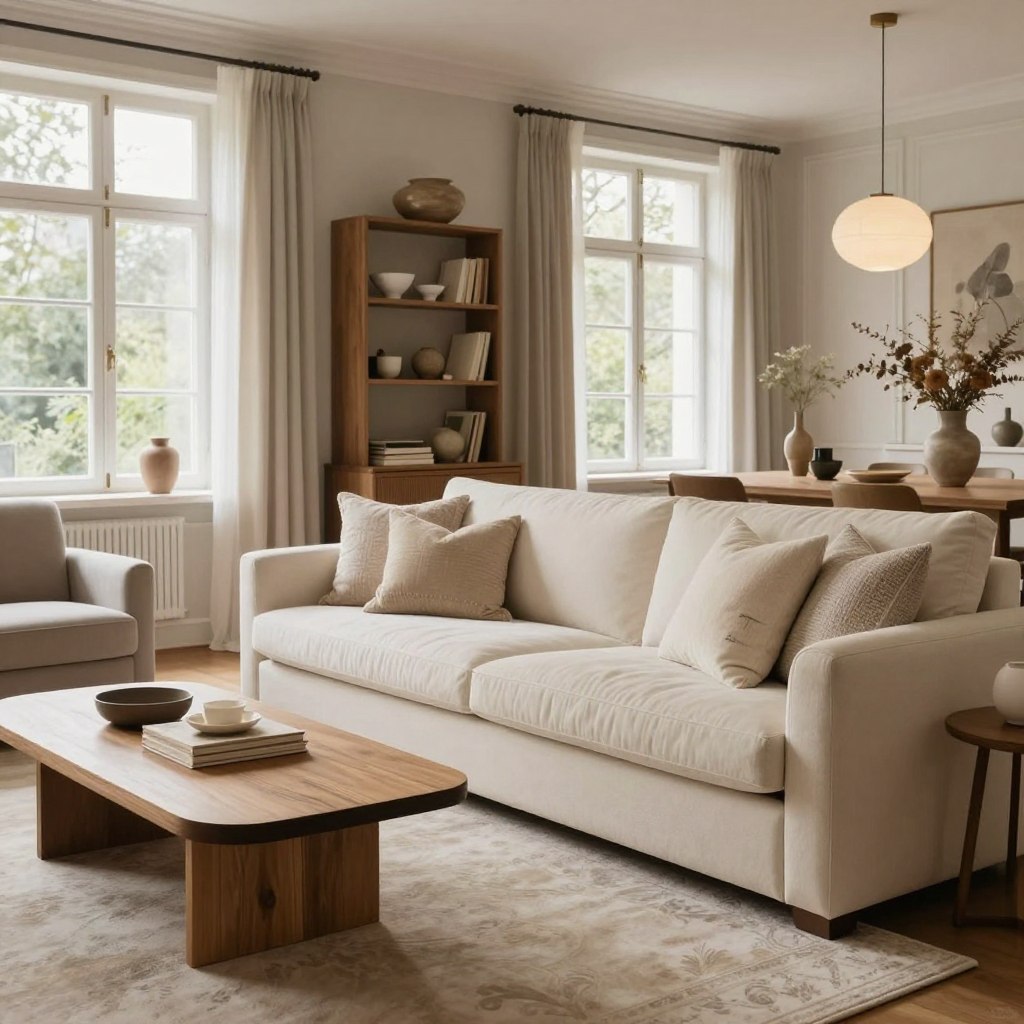
The Ultimate Guide to Timeless Home Aesthetics: Create Enduring Style
This post contains affiliate links, meaning I may receive a small commission if you make a purchase through my links, at no extra cost to you.
I remember walking into my grandmother’s living room for the first time as a child. Even decades later, the space felt perfectly balanced, warm, and inviting. It never relied on passing fads or cheap trends to look good. Instead, it focused on quality craftsmanship and pieces that told a genuine story.
That experience taught me that an elegant living space is not about following the latest magazine cover. It is about curating an environment that reflects your personality while remaining functional for years to come. By prioritizing timeless design, you can build a sanctuary that feels fresh regardless of the season.
Achieving this look requires a shift in mindset. We must move away from temporary fads and embrace enduring style that honors your unique needs. This guide will help you master the art of interior design, ensuring your residence remains a beautiful reflection of who you are.
Key Takeaways
- Focus on high-quality materials that age gracefully over time.
- Prioritize personal expression over following fleeting industry trends.
- Balance functional needs with visual harmony to create comfort.
- Invest in classic furniture pieces that serve as a foundation.
- Use neutral palettes to allow for easy seasonal updates.
Defining the Essence of Timeless Home Aesthetics
At its core, timeless design is a philosophy that prioritizes lasting beauty over the noise of current market fads. True Home Aesthetics are not about following a specific era, but rather about creating a space that feels inherently right and comfortable. This approach values long-term appeal, ensuring your environment remains relevant even as the world changes around you.
When we talk about classic home decor, we are referring to a sense of calm sophistication. It is the art of balancing form and function so that every item serves a purpose while contributing to a peaceful atmosphere. By choosing pieces that reflect high-quality craftsmanship, you invest in items that age gracefully rather than losing their charm after a single season.
This design mindset is incredibly versatile and adapts to many personal tastes. Whether you prefer a minimalist look or a more layered, traditional style, the principles remain the same. You are essentially curating a home that feels like a reflection of your values rather than a catalog of temporary trends.
To better understand how these elements compare to common design approaches, consider the following breakdown of characteristics:
| Feature | Timeless Design | Fast Trends |
|---|---|---|
| Material Quality | Natural and Durable | Synthetic and Disposable |
| Visual Impact | Calm and Balanced | High Contrast and Busy |
| Longevity | Decades of Use | One to Two Years |
| Investment | High Initial Value | Low Cost Entry |
Ultimately, embracing Home Aesthetics that stand the test of time allows you to breathe easier in your own space. By focusing on classic home decor, you remove the pressure to constantly update your furniture or paint colors. This shift in perspective is the first step toward building a home that truly supports your lifestyle for years to come.
Core Principles of Enduring Interior Design
Creating an enduring style is less about following trends and more about honoring the bones of your house. When you focus on the core principles of design, you create a sanctuary that remains relevant for years. This approach relies on a deep respect for both the physical structure of a room and the items you choose to fill it with.
Prioritizing Quality Over Quantity
Many homeowners fall into the trap of filling their space with disposable, mass-produced items. Instead, Timeless Design encourages you to invest in fewer, higher-quality pieces that offer longevity. By choosing items built with quality craftsmanship, you reduce waste and ensure your home feels curated rather than cluttered.
Focusing on quality provides several long-term benefits for your living environment:
- Increased durability that withstands daily wear and tear.
- A smaller environmental footprint through sustainable consumption.
- A more cohesive look that avoids the “fast furniture” aesthetic.
- Greater emotional satisfaction from owning well-made, meaningful objects.
The Importance of Architectural Integrity
Every home possesses unique features that define its character. Respecting the architectural integrity of your space is a vital step in professional Interior Design. Rather than trying to force a modern look into a historic home, you should highlight the existing details that make the building special.
When you align your decor with the inherent style of the house, you create a sense of harmony. This intentional approach ensures that your renovations feel like a natural evolution of the property. By honoring the original design, you establish a foundation that will never go out of style.
Mastering Color Theory for a Lasting Palette
A well-planned color palette acts as the heartbeat of a truly timeless interior design. By applying Timeless Color Theory, you can ensure your home remains visually harmonious regardless of shifting seasonal trends. This approach focuses on creating a balanced environment that feels both fresh and established.
Selecting Neutral Foundations
The secret to a long-lasting home aesthetic lies in the strength of your base layers. A Neutral Color Palette provides a versatile canvas that allows your furniture and architectural details to shine. Think of soft whites, warm beiges, or muted grays as the foundation for your living space.
These shades offer a sense of calm and sophistication that rarely goes out of style. When you choose high-quality, neutral wall finishes, you create a backdrop that adapts easily to your evolving personal taste. Consistency is key when establishing these primary tones throughout your home.
“Color is a power which directly influences the soul.”
| Neutral Base | Primary Mood | Best Application |
|---|---|---|
| Warm White | Inviting and Airy | Living Rooms |
| Soft Greige | Balanced and Modern | Hallways and Entryways |
| Cool Taupe | Sophisticated and Calm | Bedrooms |
Using Accent Colors with Intent
Once your foundation is set, you can introduce accent colors to add depth and character. The goal is to use these hues with intentionality rather than impulse. By limiting your accents to textiles, art, or small decor items, you keep the space feeling open and airy.
Consider drawing inspiration from nature, such as deep forest greens or muted terracotta, to bring warmth into your rooms. These choices ensure your home feels personal without becoming overwhelming. A Neutral Color Palette remains the star, while your accents simply provide the necessary emotional resonance to make the house feel like a home.
Always remember that Timeless Color Theory favors restraint over excess. By curating your colors carefully, you build a space that stands the test of time with grace and ease.
Selecting Furniture That Stands the Test of Time
When you select furniture with care, you create a living space that feels both grounded and sophisticated. Rather than chasing fleeting fads, focus on pieces that offer Enduring Style and functional beauty. This approach ensures your home remains a sanctuary that feels relevant regardless of the current design cycle.
Identifying Classic Silhouettes
The secret to a timeless room lies in the shape of your furniture. Look for clean, simple lines that do not rely on decorative gimmicks or overly ornate details. These classic silhouettes provide a neutral canvas that allows your personal taste to shine through without feeling dated.
Consider these hallmarks of timeless design when shopping for your home:
- Tapered legs on chairs and sofas for a light, airy feel.
- Symmetrical forms that create a sense of balance and calm.
- Low-profile frames that anchor a room without overwhelming the architecture.
Investing in Natural Materials
Choosing Sustainable Furniture is not just an environmental choice; it is a smart investment in longevity. Natural materials like solid oak, walnut, marble, and linen possess a unique ability to age gracefully. Unlike synthetic alternatives, these materials often develop a beautiful patina that tells a story over time.
Prioritizing Quality Craftsmanship ensures that your investment pieces can withstand daily use for years to come. When you select items built with traditional joinery techniques, you avoid the cycle of constant replacement. This commitment to quality transforms your house into a home that truly lasts.
The Art of Blending Styles for Personal Expression
The secret to a timeless home lies in the artful balance of contrasting eras and styles. Rather than aiming for a showroom look where everything matches perfectly, you should strive to create a space that feels collected and intentional. This approach allows your personality to shine through every corner of your living environment.
Mixing Antique and Modern Elements
Incorporating antique furniture into a contemporary setting is a brilliant way to add character and depth. When you place a weathered wooden chest next to a sleek sofa, you create a visual dialogue between the past and the present. This contrast prevents your home from feeling stagnant or overly staged.
To succeed with this Interior Design strategy, focus on scale and proportion. A large, ornate armoire can serve as a stunning focal point in a room otherwise defined by a modern interior style. By keeping the surrounding pieces clean and simple, you allow the history of the antique item to take center stage without overwhelming the room.
Creating Cohesion Through Texture
Texture acts as the invisible thread that ties disparate design elements together. When you mix different styles, you need a common language to ensure the room feels unified. Using a variety of materials—such as raw linen, polished metal, and natural wood—helps bridge the gap between old and new.
Consider layering a plush, contemporary rug beneath a vintage dining table to soften the overall look. This Interior Design technique adds warmth and tactile interest to your space. By prioritizing texture, you ensure that your home feels cohesive and inviting, regardless of how many different eras your furniture represents.
Ultimately, the goal is to curate a home that reflects your unique journey. Whether you prefer the clean lines of a modern interior style or the intricate details of antique furniture, blending these worlds creates a home that is truly timeless.
Step One: Assessing Your Current Space and Needs
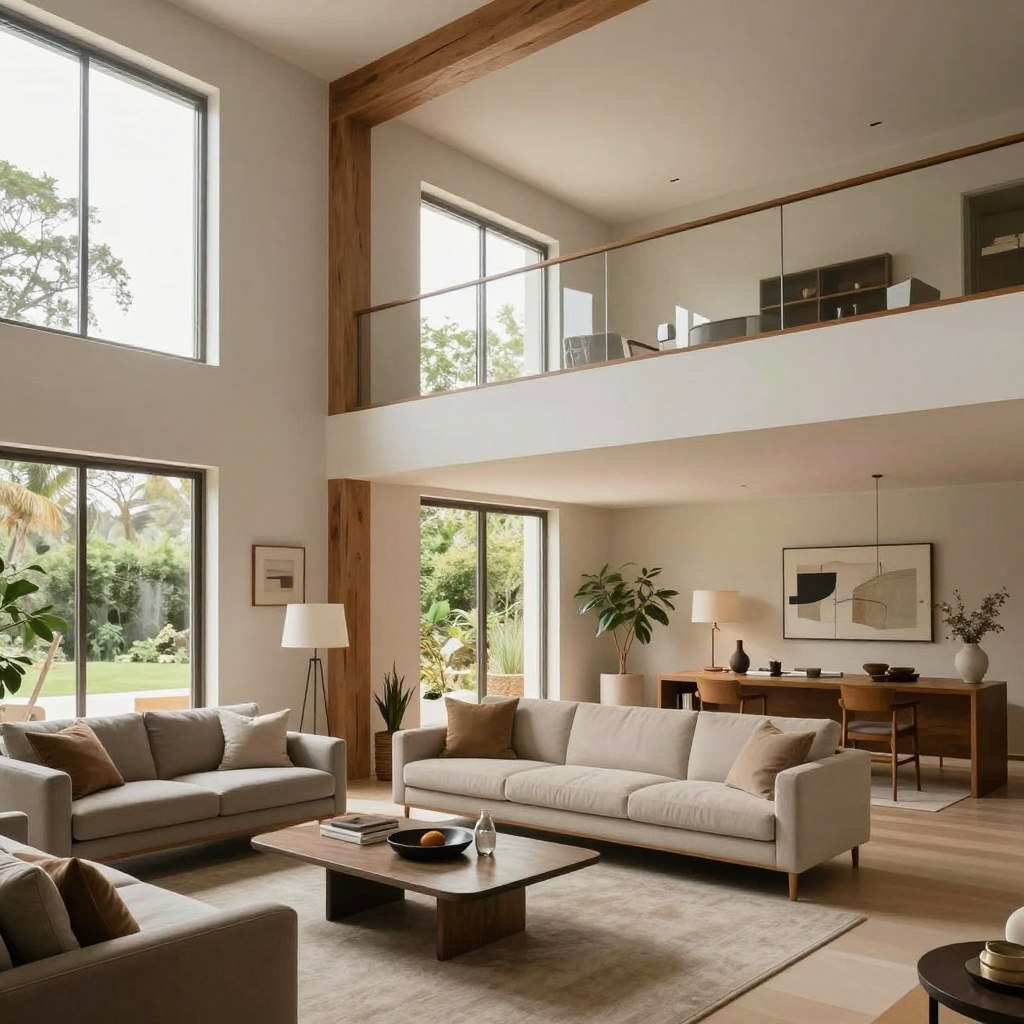
Every successful design journey begins with a clear understanding of your current living environment. Before you commit to a major home renovation, you must pause to observe how your rooms actually function on a daily basis. This initial audit prevents costly mistakes and ensures that your final design choices support your lifestyle for years to come.
Evaluating Functional Requirements
A truly timeless home is one that works in harmony with the people who live there. Start by listing the activities that occur in each room, such as remote work, entertaining guests, or quiet relaxation. A functional home layout should prioritize these habits, ensuring that furniture placement and storage solutions facilitate movement rather than hinder it.
Consider the flow of traffic through your home during peak hours. If you find yourself constantly navigating around bulky items or poorly placed tables, it is time to rethink your floor plan. By focusing on utility first, you create a foundation that remains relevant even as your personal needs evolve over time.
“Design is not just what it looks like and feels like. Design is how it works.”
Identifying Existing Architectural Assets
Many homeowners overlook the inherent beauty already present in their houses. Before you begin any home renovation, take a moment to identify features that contribute to the architectural integrity of the building. Original crown molding, hardwood floors, or unique window placements often provide a sense of character that modern additions simply cannot replicate.
Preserving these elements helps maintain a sense of history and depth in your interior design. When you highlight these assets, you create a functional home layout that feels rooted and authentic. Use the following table to help organize your assessment of your current space.
| Category | Current Status | Action Required |
|---|---|---|
| Traffic Flow | Congested | Rearrange furniture |
| Natural Light | Limited | Use mirrors/sheers |
| Structural Details | Hidden | Restore and expose |
| Storage Needs | Insufficient | Add built-in units |
By respecting the architectural integrity of your home, you ensure that your updates feel like a natural evolution. This thoughtful approach allows you to build a space that is both beautiful and deeply personal.
Step Two: Establishing a Neutral Foundation
A successful home renovation starts by creating a versatile canvas for your future design choices. By focusing on the permanent elements of your rooms, you ensure that your space remains adaptable as your personal style evolves over the years. A well-planned neutral color palette acts as the anchor for every other design decision you make.
Choosing Wall Colors and Finishes
When selecting paint, look beyond temporary trends and focus on shades that provide warmth and depth. Soft whites, warm grays, and muted earth tones offer a sophisticated backdrop that complements almost any furniture style. These colors allow your decor to stand out without competing for attention.
Consider the finish of your paint as carefully as the color itself. A matte or eggshell finish often provides a timeless, velvety texture that hides minor wall imperfections better than high-gloss alternatives. This subtle choice contributes to a calm and cohesive atmosphere throughout your home.
Selecting Flooring That Ages Gracefully
Flooring represents one of the most significant investments in any home renovation project. Opting for natural materials like solid hardwood or high-quality stone ensures that your floors will not only last for decades but will also gain character as they age. These materials provide a sense of permanence that synthetic alternatives simply cannot replicate.
Hardwood floors in classic oak or walnut tones offer a warm, inviting foundation that works with both traditional and modern aesthetics. If you prefer stone, materials like limestone or slate provide a durable, organic texture that feels grounded and authentic. Choosing these high-quality materials is a smart way to add lasting value to your property.
Ultimately, your goal is to create a space that feels intentional and balanced. By prioritizing a neutral color palette for your walls and floors, you build a sturdy base that supports a lifetime of beautiful, evolving interior design.
Step Three: Curating Meaningful Decor and Art
Your home should serve as a living gallery of your most cherished memories and experiences. By moving away from mass-produced items, you can embrace Classic Home Decor that feels both sophisticated and deeply rooted in your own history. This process is about selecting pieces that resonate with your spirit rather than simply filling empty shelves.
Displaying Personal Collections
Every object in your home has the potential to tell a story. Whether it is a collection of vintage books, travel souvenirs, or family heirlooms, these items provide a sense of continuity and warmth. Displaying these treasures allows your space to reflect your unique journey through life.
To maintain a clean look, group similar items together on a dedicated shelf or console table. This approach turns a scattered assortment of objects into a curated display. Using Personalized Home Decor in this way ensures that your living space remains organized while still feeling authentic and inviting.
Choosing Art That Transcends Trends
Art is often the final touch that brings a room to life, but it should never be chosen just to match a current color palette. Instead, look for pieces that evoke a genuine emotional response or spark curiosity. When you select art that speaks to you personally, it will remain relevant long after modern design fads have faded.
Consider the scale and placement of your artwork to ensure it complements the architecture of your home. A single, bold statement piece can often be more impactful than a wall crowded with small, trendy prints. By prioritizing emotional connection over fleeting styles, you create a home that feels timeless and truly your own.
Step Four: Optimizing Lighting for Atmosphere
Proper Lighting Design acts as the jewelry of your home, highlighting your best features while setting the mood. It is the invisible thread that ties your furniture and decor together, ensuring every corner feels intentional. By focusing on how light interacts with your space, you create a sense of warmth that transcends passing trends.
Layering Ambient and Task Lighting
To achieve a professional look, you must master the art of Interior Lighting Layers. Ambient lighting provides the general glow that fills a room, while task lighting offers the focused brightness needed for reading or cooking. Combining these two ensures that your home remains both beautiful and highly functional throughout the day.
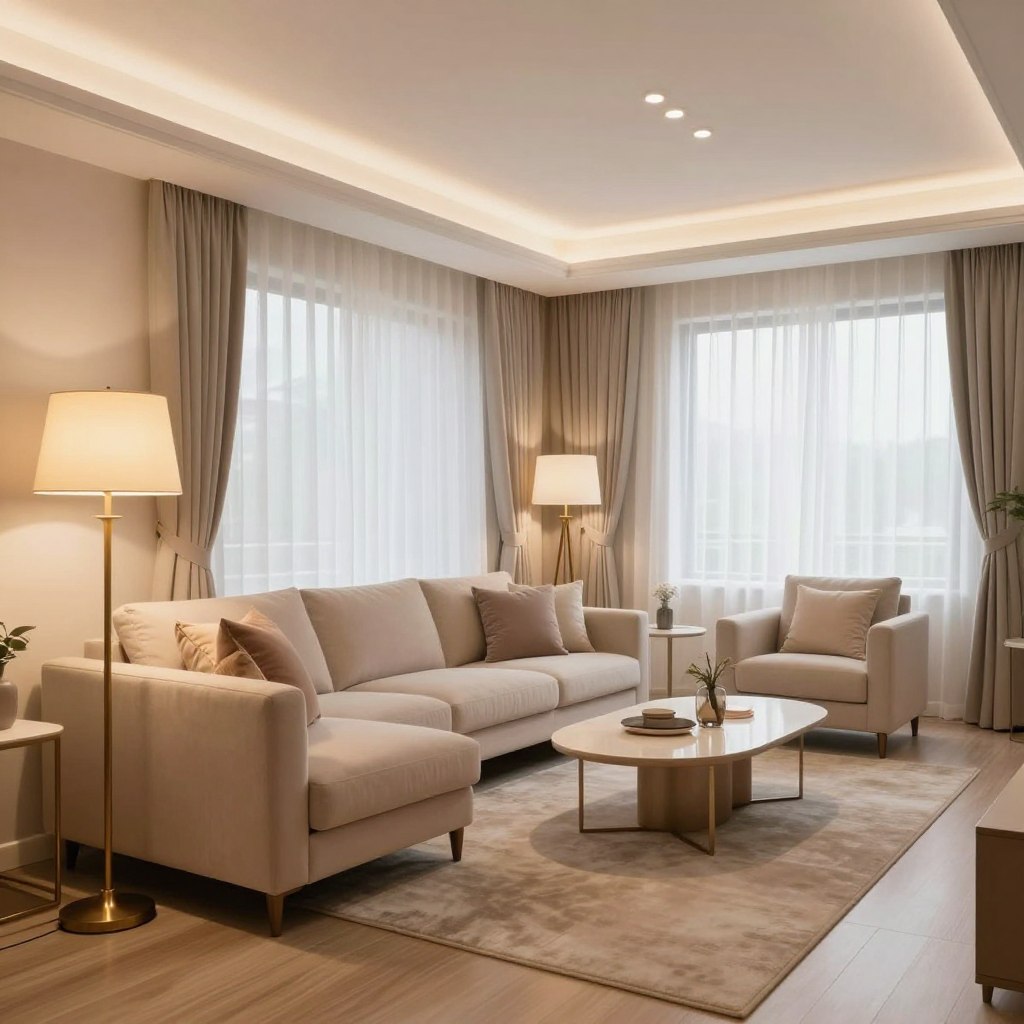
Think of your space as a canvas where light creates depth and dimension. You should aim to place light sources at different heights to avoid flat, uninspired shadows. Strategic placement of floor lamps, recessed lights, and pendants allows you to adjust the mood instantly, making your home feel cozy during the evening and bright during the morning.
Selecting Fixtures with Classic Appeal
When choosing your hardware, prioritize pieces that offer timeless silhouettes rather than those currently dominating social media feeds. Materials like brass, bronze, and matte black often age gracefully, maintaining their elegance for decades. Investing in high-quality fixtures ensures that your home retains its sophisticated character regardless of changing design fads.
Look for clean lines and simple shapes that complement your existing architecture. A well-chosen chandelier or a set of wall sconces can serve as a permanent anchor for your room’s aesthetic. By selecting items that prioritize function and enduring style, you guarantee that your lighting remains a highlight of your home for years to come.
Step Five: Maintaining Your Home Aesthetics
True style is not just about the initial design but how you nurture your space over time. By committing to sustainable home maintenance, you ensure that your investment remains beautiful and functional for decades. This proactive approach prevents the need for costly, frequent renovations.
Routine Care for Natural Materials
Natural materials like solid wood, marble, and leather bring warmth to any room. To keep your sustainable furniture in peak condition, you must use the right cleaning agents. Avoid harsh chemicals that can strip away the natural finish of wood or etch delicate stone surfaces.
Dusting regularly and addressing spills immediately are the most effective ways to protect your pieces. For leather items, applying a high-quality conditioner once or twice a year keeps the material supple and prevents cracking. These simple habits are the cornerstone of minimalist living, as they reduce the need for replacements.
Refreshing Spaces Without Overhauling
You do not need a complete redesign to make your home feel new again. Small, intentional changes often have the biggest impact on your daily environment. Consider swapping out throw pillows, updating your lighting fixtures, or rearranging your existing art collection to shift the energy of a room.
Embracing a philosophy of minimalist living allows you to appreciate the items you already own. By rotating decor seasonally, you keep your space feeling fresh without contributing to unnecessary waste. This method supports sustainable furniture practices by focusing on longevity rather than disposable trends.
| Material | Cleaning Frequency | Best Practice |
|---|---|---|
| Solid Wood | Weekly | Use a soft, damp cloth and avoid excess water. |
| Natural Stone | Monthly | Seal surfaces annually to prevent deep staining. |
| Leather | Bi-Annually | Apply a gentle conditioner to maintain elasticity. |
| Wool Textiles | Quarterly | Vacuum gently to remove dust and debris. |
Common Pitfalls to Avoid in Timeless Design
Many homeowners inadvertently sabotage their own vision by chasing fleeting trends that quickly lose their charm. While the desire for a fresh look is natural, prioritizing short-term satisfaction often leads to a space that feels dated within a few years. Achieving true Home Aesthetics requires a shift in perspective toward long-term value.
Avoiding Fast Furniture Trends
The allure of inexpensive, mass-produced furniture is often difficult to resist when you want to furnish a room quickly. However, these items are rarely built to last and frequently feature designs that are tied to a specific, passing moment in Classic Home Decor. Investing in these pieces often results in a cycle of constant replacement, which is both costly and wasteful.
Instead, focus on acquiring high-quality staples that offer structural integrity and neutral appeal. By choosing items that prioritize craftsmanship over current fads, you ensure your furniture remains relevant for decades. This approach is a cornerstone of Timeless Design, allowing your home to evolve gracefully without needing a complete overhaul.
Preventing Over-Styling and Clutter
A common mistake in interior styling is the tendency to fill every available surface with decorative objects. While personal items add character, an excess of decor can quickly overwhelm a room and obscure its architectural beauty. Embracing the principles of Minimalist Living helps you maintain a clean, intentional environment where each piece has room to breathe.
Intentional curation is the secret to a balanced home. Before adding a new accessory, consider whether it truly enhances the space or simply adds to the visual noise. By practicing restraint, you allow your most meaningful pieces to stand out, reinforcing a sense of calm and sophistication that defines successful Timeless Design. Remember that in the world of Classic Home Decor, sometimes the most powerful design choice is knowing when to stop.
Ultimately, your home should be a sanctuary that reflects your personality without feeling chaotic. By avoiding the traps of disposable trends and unnecessary clutter, you create a foundation for Minimalist Living that remains beautiful and functional. Cultivating these habits will protect your Home Aesthetics from the passage of time.
Conclusion
Creating a home that defies the rapid cycle of trends requires patience and a clear vision. You possess the tools to transform your house into an elegant living space that reflects your unique personality. Focus on quality materials and intentional choices to ensure your surroundings remain relevant for decades.
Design is a continuous journey of curation rather than a single event. Every piece you select should tell a story or serve a purpose that brings you joy. This approach allows your home to evolve alongside your life while maintaining a sense of harmony and grace.
Start small by evaluating one room at a time. Your commitment to thoughtful planning will result in an elegant living space that feels both welcoming and sophisticated. Share your progress with friends or family to celebrate the beauty of a well-curated environment. Your dedication to enduring design creates a sanctuary that stands the test of time.
FAQ
What exactly defines a timeless home aesthetic?
A timeless home aesthetic focuses on enduring beauty, functionality, and a sense of calm sophistication. Rather than chasing the latest “fast interior” trends, it prioritizes high-quality craftsmanship and classic design principles that feel as relevant today as they will in twenty years. It’s about creating a space that transcends the fleeting nature of market fads by emphasizing architectural integrity and natural materials.
Why is it better to prioritize quality over quantity in interior design?
Choosing quality over quantity is the cornerstone of sustainable home design. Investing in a few well-made investment pieces—such as a solid wood dining table from Restoration Hardware or a handcrafted sofa—is more aesthetically pleasing and environmentally friendly than filling a room with disposable furniture. High-quality items are built to last, often developing a beautiful patina over time that adds character and value to your living space.
How can I choose a color palette that won’t look dated in a few years?
The secret lies in mastering color theory by establishing a neutral foundation. Shades like Benjamin Moore’s White Dove or warm “greige” tones provide a versatile backdrop that allows your furniture and art to shine. You can then introduce accent colors with intent through textiles, pillows, or small decor items. This approach ensures your home remains visually harmonious and easy to refresh without a complete structural overhaul.
Can I mix modern furniture with antique pieces successfully?
Absolutely! In fact, mixing antique and modern elements is the best way to achieve a collected and intentional look. The key is creating cohesion through texture and scale. For example, pairing a sleek, mid-century Herman Miller Eames Lounge Chair with a 19th-century French oak armoire creates a sophisticated contrast that feels deeply personal and curated rather than like a sterile showroom.
What are the best flooring options for an enduring home?
For a floor that ages gracefully, you can’t go wrong with natural materials like wide-plank hardwood or natural stone such as Carrara marble or slate. These materials are incredibly durable and offer a timeless appeal that synthetic alternatives simply cannot match. High-quality flooring serves as the “anchor” of your home, adding both architectural assets and long-term resale value.
How do I select art that transcends temporary trends?
When curating meaningful art, focus on pieces that evoke a genuine emotional response rather than those that simply match your current throw pillows. Look for original works, photography, or personal collections that tell your unique story. Art that reflects your personality or travel experiences, rather than mass-produced “wall filler,” will always feel relevant in your home, regardless of shifting design movements.
What is the most common mistake people make when trying to create a timeless look?
One of the biggest common pitfalls is falling for fast furniture trends that look dated within a single season. Another mistake is over-styling and clutter, which can mask the beautiful architectural integrity of a room. A timeless home needs “breathing room” to showcase its best features, so it is vital to stay disciplined and avoid the urge to over-decorate every available corner.
How does lighting impact the atmosphere of a classic home?
Lighting is critical for setting the mood. We recommend layering ambient and task lighting to create a warm, inviting environment. Choosing fixtures with classic appeal, such as a brass library lamp or a Visual Comfort chandelier, ensures your lighting remains stylish for decades. Proper lighting doesn’t just illuminate a room; it highlights textures and creates the calm sophistication essential to an enduring aesthetic.
How can I refresh my space without a full redesign?
You can easily refresh your space through small, intentional changes like updating hardware, swapping out accent rugs, or rotating your personal collections. Routine care, such as polishing wood or conditioning leather, also keeps your natural materials looking vibrant. These subtle shifts allow you to evolve your home’s look while maintaining the core neutral foundation you’ve established.